
Introduction
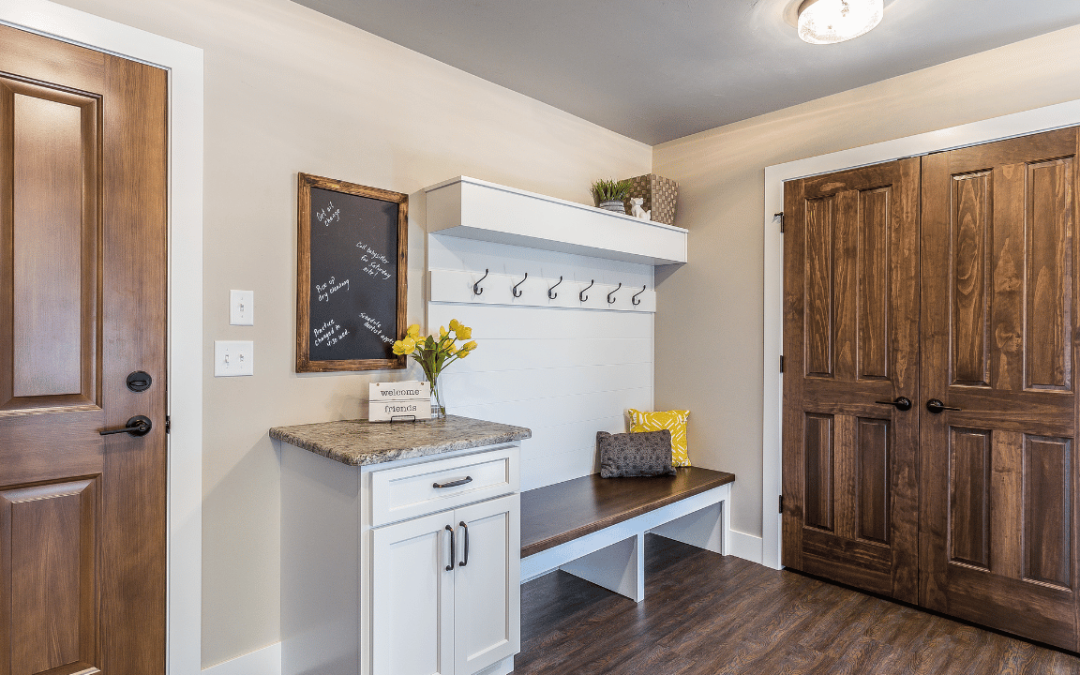
As the winter season approaches, homes face unique challenges: snow, mud, wet coats, and boots tracking dirt throughout the house. For many homeowners, this leads to constant cleaning, clutter, and damage to flooring and furniture. Adding a mudroom before winter is a practical and stylish solution that addresses these problems while enhancing home organization, safety, and efficiency.
A well-designed mudroom provides a designated space for coats, boots, sports gear, and seasonal items, keeping your home clean and functional. Beyond convenience, mudrooms can boost home value, improve energy efficiency, and create a welcoming entryway for family and guests.
In this comprehensive guide, we’ll explore why a mudroom is invaluable before winter, design considerations, practical tips for installation, and how to maximize its functionality for seasonal living.
Why a Mudroom Is Essential for Winter
1. Protects Flooring and Furniture
Winter weather brings wet shoes, salt, and snow into your home. A mudroom provides a buffer zone, preventing:
- Water damage to hardwood, tile, or carpet
- Stains and wear on furniture near entryways
- Slippery floors that could cause accidents
2. Enhances Organization
Mudrooms provide storage solutions for winter essentials:
- Coats, scarves, hats, and gloves
- Boots, snow shoes, and ice cleats
- Sports equipment and backpacks
This organized space reduces clutter and keeps items easily accessible, making mornings and evenings more efficient.
3. Improves Safety
Wet, icy floors increase the risk of slips and falls. Mudrooms:
- Contain moisture in a designated area
- Include durable, slip-resistant flooring
- Offer bench seating for safely removing shoes
These features are especially important for families with children, elderly residents, or frequent visitors.
4. Increases Home Value
Mudrooms are highly sought after in real estate. A functional, well-designed mudroom adds appeal to potential buyers, enhancing both home usability and resale value.
5. Provides a Transition Space
Mudrooms act as a transition between outdoors and indoors, preventing outdoor cold air, debris, and moisture from spreading throughout your home. This helps maintain:
- Consistent indoor temperature
- Cleaner living spaces
- Reduced wear on heating systems
Design Considerations for a Winter-Ready Mudroom
1. Location and Layout
- Near main entrances: Position the mudroom close to back or side doors commonly used during winter.
- Adequate space: Ensure enough room for benches, storage, and movement, accommodating multiple users.
- Flow: Consider how people enter and exit without creating bottlenecks.
2. Flooring
Durable, low-maintenance flooring is essential for winter:
- Porcelain or ceramic tile
- Waterproof vinyl or laminate
- Slip-resistant finishes
Flooring should withstand moisture, salt, and snow while remaining easy to clean.
3. Storage Solutions
Winter gear can accumulate quickly. Include:
- Built-in cubbies or lockers
- Coat hooks at varying heights
- Shoe racks or boot trays for wet footwear
- Baskets or drawers for smaller accessories
These features help keep the space organized and reduce clutter in main living areas.
4. Seating
A bench or built-in seating allows for:
- Comfortable shoe removal and dressing
- Storage underneath for additional gear
- A practical area for children and elderly residents
5. Lighting
Proper lighting improves safety and usability:
- Overhead lighting for general illumination
- Task lighting near storage or seating areas
- Consider energy-efficient LED options
6. Durable Materials
Winter conditions can be harsh. Materials should withstand heavy use:
- Water-resistant or treated wood for cabinetry and benches
- Metal or plastic hooks for durability
- Moisture-resistant paint for walls
Tips for Maximizing Mudroom Functionality
1. Seasonal Organization
- Rotate storage for winter gear only during colder months
- Use labeled bins or baskets for gloves, scarves, and hats
- Keep everyday items within easy reach for daily use
2. Incorporate Laundry or Cleaning Features
- Add a small sink or utility area for washing hands, boots, or pets
- Include hooks or racks for drying wet coats and gear
- A designated spot for cleaning supplies reduces mess elsewhere
3. Create a Drop Zone
- Encourage family members to drop keys, mail, and personal items in designated cubbies or trays
- Keeps counters and main living spaces clutter-free
4. Include Energy-Efficient Features
- Seal gaps around doors and windows in the mudroom to prevent cold drafts
- Consider insulated doors and weatherstripping
- Durable, easy-to-clean surfaces reduce the need for frequent heating adjustments
5. Customize for Family Needs
- Adjustable hooks for children
- Boot trays or baskets at floor level
- Additional seating for removing bulky winter clothing
Common Mistakes to Avoid When Adding a Mudroom
- Underestimating size: Too-small mudrooms create bottlenecks and limit storage.
- Ignoring flooring durability: Using carpets or wood prone to moisture damage.
- Neglecting ventilation: Poor airflow can lead to mold or lingering odors.
- Overcrowding: Too much furniture or storage makes the space difficult to use.
- Poor lighting: Dimly lit mudrooms increase the risk of slips and make the space less functional.
Avoiding these mistakes ensures your mudroom is both practical and welcoming during winter months.
FAQs About Mudroom Additions
Q: How much does it cost to add a mudroom?
A: Costs vary depending on size, materials, and features, typically ranging from $5,000 to $25,000 for standard builds.
Q: Can a mudroom be added to an existing home?
A: Yes. Contractors can convert entryways, garages, or porches into functional mudrooms.
Q: How long does a mudroom remodel take?
A: Standard installations generally take 2–4 weeks, depending on complexity and materials.
Q: What is the best flooring for winter mudrooms?
A: Durable, moisture-resistant options like porcelain tile, vinyl, or treated laminate work best.
Q: Can mudrooms improve home energy efficiency?
A: Yes. Mudrooms act as a buffer zone, preventing cold air from entering main living areas and helping maintain consistent indoor temperatures.
Final Thoughts + Call to Action
Adding a mudroom before winter is a smart investment for both functionality and comfort. It provides an organized, safe, and stylish space for managing coats, boots, sports gear, and seasonal clutter. Beyond practicality, a mudroom enhances home value, improves energy efficiency, and creates a welcoming entry for family and guests during the busiest time of the year.
Carter Custom Construction specializes in custom mudroom design and installation, ensuring your home is winter-ready and stylish. Our team works with homeowners to maximize storage, efficiency, and comfort while delivering professional craftsmanship on schedule.
Next Steps: Schedule a consultation with Carter Custom Construction, explore design options, or request a project estimate today. Prepare your home for winter, simplify your routine, and enjoy a clean, organized, and functional mudroom. Visit Carter Custom Construction to get started.